Because Every Life Deserves Another Chance.
Heroes Don’t Always Wear Capes. Sometimes, They Donate Blood.
Become a Donor
BLOOD AVAILABILITY
Check the current availability of blood groups and quickly find compatible donors when needed.
EXPLORE HEMOSPHERE



Blood Donation: A Gift That Saves Lives
Every year, blood transfusions play a crucial role in saving and supporting millions of lives. Patients undergoing major surgeries or those injured in accidents often depend on immediate transfusions.
For individuals living with conditions such as thalassemia or hemophilia, regular access to particular blood components can also be essential. None of this would be possible without voluntary blood donors, whose contributions provide the blood needed to treat patients.
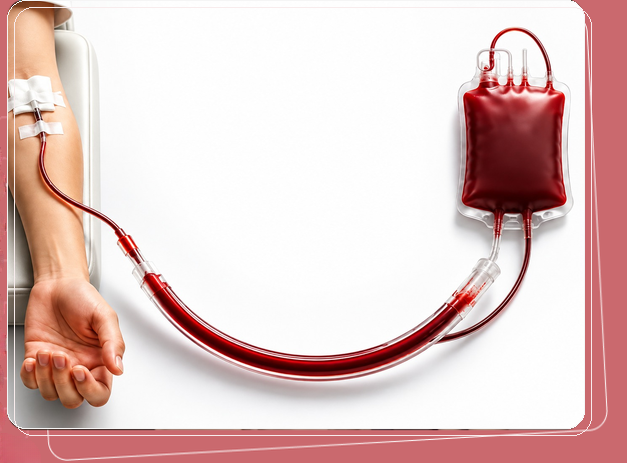
Donated blood can be collected in several ways, depending on the needs of patients and the components required for treatment. Whole blood donation is the most widely practised method, with a donor typically giving around half a litre of blood at a time. Once collected, the blood may either be used in its complete form or separated into individual components (including red blood cells, plasma and platelets) using specialised equipment.
ABOUT US
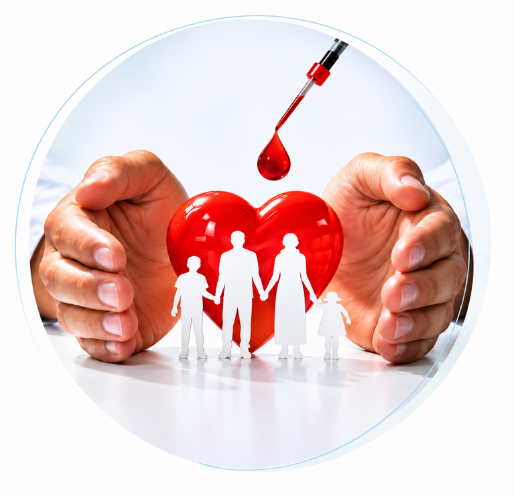
Why was the initiative HemoSphere started?
In Goa, blood banks often face shortages that make it difficult to maintain the supplies required to meet the growing demand for blood transfusions. As a result, when a patient requires blood due to an illness, surgery or injury, family members and friends are often left with the responsibility of either donating blood themselves or urgently finding a compatible donor.
In emergency situations, where every minute can make a difference, this process can become especially challenging and time-sensitive. HemoSphere aims to bridge this critical gap by creating a comprehensive database and directory of voluntary blood donors across all blood groups. By making it easier and faster to identify compatible donors, the initiative can significantly reduce delays and help patients access the blood they need when they need it most.
WHO CAN DONATE BLOOD?
Blood donation is a simple act that can make a meaningful difference in someone's life.
Blood Donation Eligibility
Age
18 years or older.
Weight
A minimum weight of 45 kg.
Health Evaluation
Pass the required physical and health evaluations before donation.
Good Health
Be in good general health at the time of donation.
Blood Type Compatibility
Donated blood can be transfused only into patients whose blood type and Rh factor are compatible with the donor's blood type and Rh factor.
Additionally, the blood donation centre tests all blood for infectious diseases before sending it to be used.
MAKE YOUR DONATION A SUCCESS
A little preparation can help make your blood donation experience comfortable and successful.
The Day Prior
- Hydrate well 24 hours before, avoiding smoking, alcohol and caffeine consumption.
- Eat iron-rich foods like leafy greens, beans, fish, and meat to keep your haemoglobin levels strong.
- Sleep a full 8 hours to arrive refreshed and lower the chance of feeling faint after donation.
Donation Day
- Have a solid meal, skipping greasy or fried items which may affect your blood test results.
- Wear a shirt with short sleeves or sleeves you can easily roll past your elbows for easy access.
- Inform the nurse about any dizziness or if you have a preferred arm for the needle.
After Donation
- Cross or squeeze your leg and thigh muscles if you feel lightheaded to help blood flow upward.
- Avoid any heavy work such as lifting heavy items or hard workouts for the rest of the day.
- Drink extra water over the next 24 to 48 hours to replace the lost fluids.
THE BLOOD DONATION PROCESS
Check - In
Check in for your donation by presenting your ID and filling out an information sheet. After handing it to the front desk, donors will be welcomed into the donation waiting area.
Health Screening & Interview
Following a quick check of temperature, pulse, blood pressure and hemoglobin level, questions about donor health history, recently travelled locations, medications and infectious disease risk will be discussed in a private interview.
Donation
If all goes well, an arm will be cleansed, and a sterile needle will be inserted into it. The whole blood donation takes around 10 to 20 minutes for 1 pint of blood. Comfortable seating and beds for lying down will be available while the blood is being collected
Refreshment & Observation
After donation, a snack and drink will be provided for refreshment in the observation area. If donors show no signs of fainting or other complications after 15 minutes, they may leave and enjoy the rest of their day.
Make a Difference
Your donation can help save lives. Thank you for being a part of this life-saving journey!
BLOOD FACTS & STATS
Every donation matters. Here's why maintaining a healthy blood supply is so important.
Up to 3
Lives
One unit of donated blood can save up to three lives.
3 Months
Donation Interval
You can donate blood every three months.
48 Hours
Fluid Recovery
It only takes 48 hours for your body fluids to be completely replenished.
35–42 Days
Shelf Life
The shelf-life of donated blood is 35 to 42 days. There is a constant need to replenish stocks in blood banks.
India Needs a Reliable Blood Supply
In India alone there are 234 million major operations, 63 million trauma-induced surgeries, 31 million cancer-related procedures and 10 million pregnancy requiring blood transfusions per year.